

If you are not actively managing your energy procurement, you could be spending more than necessary. Prices fluctuate, suppliers change terms, and without a clear strategy, it is easy to get stuck in an expensive contract.
This guide breaks down everything you need to know about energy procurement. You will learn what it is, why it matters and how to choose the right contract for your business.
What Is Energy Procurement?
Energy procurement is the process of finding and securing energy contracts that best suit your business needs. It involves evaluating suppliers, selecting contract types and developing a strategy that balances cost efficiency with financial stability.
Market conditions, regulatory changes and demand fluctuations all impact energy prices, making it essential for businesses to approach procurement strategically. A 2024 survey found that 37% of UK businesses are reviewing their energy procurement strategies, while another 37% are renegotiating contracts to manage costs and risks more effectively.
Why Energy Procurement Matters for Your Business
Energy costs take up a large part of a business budget. Without a plan, you may end up paying too much. A smart approach helps businesses make informed choices, lower costs and avoid sudden price hikes.
Lower Energy Costs
Negotiating the right contract ensures you get the best possible rates. Many businesses unknowingly overpay due to automatic renewals. Regularly reviewing your contracts and comparing supplier options helps keep costs in check. By locking in a competitive rate, you can free up funds for other priorities.
Risk Reduction
Energy prices can change unexpectedly due to supply and demand, market trends and geopolitical factors. Without a solid plan, businesses are vulnerable to sudden price spikes. A well-structured procurement strategy helps stabilise costs and reduces the risk of financial uncertainty.
Better Budgeting and Forecasting
Fixed-rate and flexible contracts give businesses more control over their budgets by providing predictable costs. When you have a clear understanding of your energy expenses, financial planning becomes easier. Accurate forecasting also ensures that unexpected price changes won’t throw off your cash flow.
Renewable Energy Options
More businesses are making the switch to green energy. A well-planned procurement strategy makes it easier to explore renewable options without dramatically increasing costs. Switching to renewable energy supports sustainability goals and can also lead to long-term savings as clean energy becomes a bigger focus for governments and industries.
A Smoother Procurement Process
Energy procurement can feel overwhelming, especially when juggling different suppliers, contract terms and price fluctuations. A structured approach simplifies the process, making it easier to find the best suppliers, negotiate deals and manage energy expenses with confidence.
What Kind of Businesses Need Energy Procurement?
Businesses of all sizes can benefit from energy procurement, but those with high energy usage have the most to gain.
According to Ofgem’s Non-Domestic Consumer Research Report, over 52% of medium-sized businesses consume more than 200,000 kWh annually, making structured procurement essential for managing costs. Even smaller businesses can benefit, with 22% consuming between 50,000 kWh and 199,999 kWh, highlighting the importance of energy management as they grow.
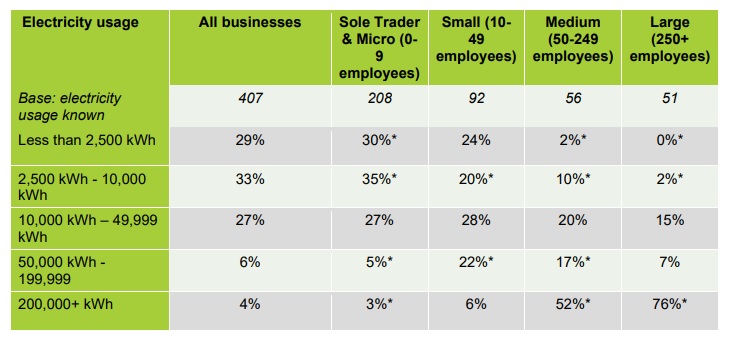
Here are some industries where energy procurement plays a crucial role:
Manufacturing and Industrial Facilities
Manufacturers and industrial plants consume large amounts of energy to power machinery, lighting and heating. Securing the right energy contract helps reduce overhead costs and ensures a stable supply to keep production running efficiently.
Hospitality and Retail Businesses
Hotels, restaurants and retail stores require a consistent energy supply for lighting, heating, cooling and kitchen equipment. Energy procurement strategies help these businesses secure the best rates while maintaining service quality and sustainability efforts.
Office Buildings and Corporate Spaces
Businesses with office spaces need a cost-effective energy strategy to manage lighting, heating and electronic devices. With remote and hybrid work models increasing, companies must optimise energy usage and ensure their contracts reflect actual consumption patterns.
Healthcare and Educational Institutions
Hospitals, clinics and schools operate around the clock and require uninterrupted energy supplies. Procurement strategies ensure these institutions receive reliable and affordable energy to support daily operations, while also considering sustainability initiatives.
Warehouses and Logistics Centers
Warehouses, storage facilities and logistics hubs depend on energy for lighting, heating and refrigeration. Managing procurement effectively allows these businesses to keep costs down and ensure continuous operations.
Small and Medium-Sized Enterprises (SMEs)
SMEs may not consume as much energy as large corporations, but optimising energy contracts can still lead to significant cost savings. Tailored procurement strategies help smaller businesses access competitive rates and manage budgets more effectively.
Related: How to Develop an Effective Business Energy Procurement Strategy
Who Is Involved in the Energy Procurement Process?
Several key players are involved in the energy procurement process, each playing an important role in securing the best energy solutions for businesses.
Business Owners and Decision-Makers
Business owners, financial directors or procurement managers are responsible for setting energy procurement goals. They assess budget constraints, sustainability targets and operational requirements before deciding on the best procurement strategy.
Energy Suppliers
Energy suppliers provide businesses with electricity and gas contracts. They determine pricing structures, contract terms and available energy sources. Businesses must compare suppliers to find the most cost-effective and reliable options.
Energy Brokers and Consultants
Brokers and consultants act as intermediaries between businesses and suppliers. They analyse market trends, negotiate contracts, and help businesses find the best energy deals. Their expertise can save businesses time and money while securing favourable contract terms.
Related: Utility Brokers: What Are They, and Why Does Your Business Need One?
Types of Energy Procurement Contracts
Choosing the right energy contract is crucial for procuring energy at the best price possible. Here’s a breakdown of the main types:
Fixed Contracts
A fixed contract locks in energy rates for a set period, typically between one and five years, providing stability and predictable costs. This type of contract is ideal for businesses that prioritise budget certainty and want to avoid market fluctuations. However, if energy prices drop, businesses locked into fixed contracts may miss out on potential savings.
Pros:
- Predictable energy costs
- Protection against price spikes.
Cons:
- No benefits from market price drops
- Longer commitment periods.
Flexible Contracts
Flexible contracts allow businesses to buy energy in blocks, taking advantage of price fluctuations to secure lower rates. This approach suits high-consumption businesses that can tolerate some pricing risk and have the resources to monitor the market. While flexible contracts offer the potential for savings, they require ongoing management and a strategic approach to timing purchases effectively.
Pros:
- Potential for lower costs
- More control over procurement timing.
Cons:
- Exposure to price volatility
- Requires expert market tracking.
Pass-Through Contracts
Pass-through contracts separate energy supply costs from third-party charges, such as transmission and distribution fees. This structure provides greater transparency, allowing businesses to see exactly what they are paying for. While these contracts offer flexibility, they require active monitoring to keep costs in check.
Pros:
- Transparency in cost structure
- Greater flexibility in managing non-energy charges.
Cons:
- More complexity in budgeting
- Requires close market monitoring.
Blend and Extend Contracts
Blend and extend contracts allow businesses already in an energy contract to renegotiate rates while extending the contract term. This option helps businesses take advantage of lower market prices without switching suppliers. While it offers potential savings, it requires a longer-term commitment.
Pros:
- Potential for immediate cost savings
- Flexible adjustment to market conditions.
Cons:
- Commitment to an extended contract period.
How to Get Started with Renew & Sustain’s Energy Procurement
Getting started with energy procurement is simple when you partner with Renew & Sustain. Our expert team takes care of the process for you, helping your business secure better rates, reduce costs and improve efficiency. Here’s how it works:
1. Speak to an Energy Specialist
The first step is to connect with one of our energy procurement specialists. We take the time to understand your business, including your energy usage patterns, contract status and cost-saving opportunities. Our team will explain the procurement process and how we can help optimise your energy strategy.
2. Get an Energy Audit
Our energy audit provides a detailed analysis of your current energy consumption. We identify inefficiencies, highlight areas for potential savings and tailor a procurement plan based on your business’s specific needs. While the audit is an investment, it helps uncover hidden cost-saving opportunities and ensures you get the most value from your energy contracts.
3. Compare Supplier Offers
With access to a broad network of trusted energy suppliers, we negotiate the best rates and contract terms on your behalf. We assess supplier reliability, pricing structures, and contract flexibility to find the most competitive deal that aligns with your budget and energy goals.
4. Secure the Best Contract
Once we find the most cost-effective energy contract, we handle all the paperwork and supplier communications to make the transition seamless. Whether switching suppliers or renegotiating your current contract, we take care of the process, so you don’t have to worry about administrative hassles.
5. Ongoing Support and Monitoring
Energy procurement doesn’t end with signing a contract. We provide continuous support, monitoring market trends and contract performance to ensure you always benefit from the best rates. If new opportunities for savings arise, we will proactively notify you and help adjust your strategy accordingly.
Secure the Best Energy Contract for Your Business Today
The right energy procurement strategy can cut costs, reduce risk and support long-term sustainability goals. With Renew & Sustain’s expert consultancy services, businesses can navigate the energy market with confidence, securing contracts that align with their financial and environmental objectives.
