
"*" indicates required fields
Why Manufacturing Energy Management Matters
A single production line and a multi-site industrial group use energy very differently, and a generic procurement approach doesn’t serve either well. A tailored energy strategy can bring contracts, consumption data, and cost control together across your operation, giving manufacturers greater visibility over four areas that directly affect their margins.
The Energy Management Challenges Facing Manufacturers
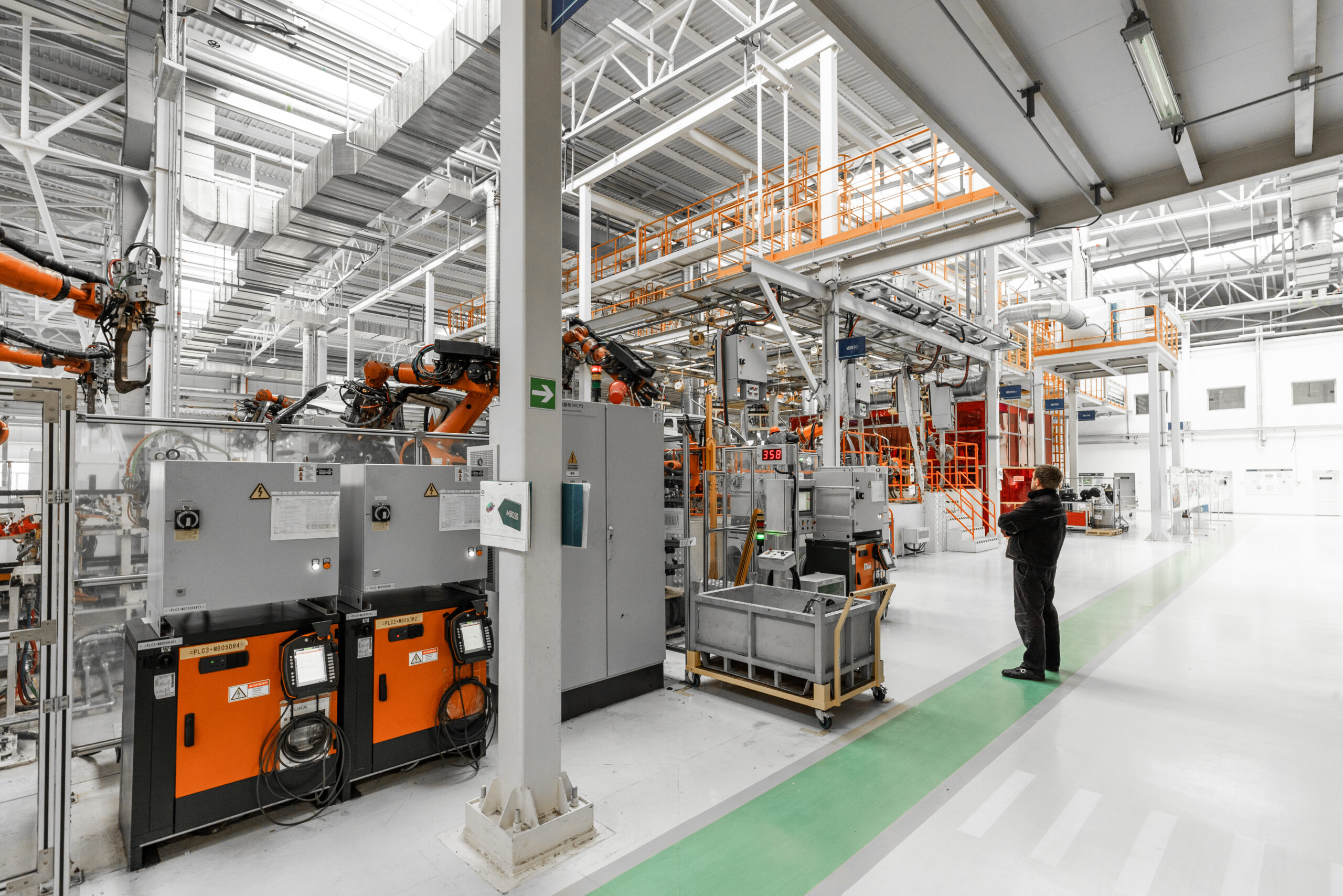
High-volume production lines, compressed air systems, intensive process heating, and continuous heavy machinery make energy a dominant factor in manufacturing profitability. Even fractional wholesale shifts immediately shrink gross margins, and many manufacturers are also unsure whether they qualify for available exemption schemes.
For manufacturers running multiple sites, that uncertainty compounds. Different sites often operate on different contract cycles, with different suppliers and tariff structures, making it difficult to see the total exposure across the business or to negotiate from a position of combined strength.
How Renew & Sustain Supports Manufacturers
We bring energy procurement, consumption data, and ongoing account management together, helping manufacturers control costs without adding another energy management workload to already stretched operations and finance teams.
Energy Procurement for High-Consumption Sites
We build procurement strategy around your actual consumption patterns and contract timing, rather than a renewal date chosen for administrative convenience, and manage non-commodity cost exposure alongside wholesale prices.
Business Energy Audits
Our business energy audits give operations and finance teams an objective, data-backed view of where energy and cost are actually going across a large, complex site, rather than a single headline total.
EII Exemption Scheme Support
We help you understand whether your site qualifies for the Energy Intensive Industries (EII) exemption scheme, which can reduce certain policy costs for eligible manufacturers, and support the application if it does.
Ongoing Account Management
Our account management service tracks non-commodity cost changes, validates invoices and manages supplier communications, so changes are planned for rather than discovered on the next bill.


Sector: Manufacturing
Energy Intensity: 28 kWh/m² per year (this reads low, but manufacturing sites are typically large, so total consumption remains very high even at this per-m² figure)
Typical Annual Cost: £100k to £5m+
Non-Commodity Charge Exposure: High
ESOS Status: Phase 3, most manufacturers of this size qualify. Phase 4 has a qualification date of 31 December 2026, for undertakings with 250 or more employees, or turnover above £44 million and a balance sheet above £38 million, with a notification of compliance deadline of 5 December 2027
Overall Risk: Very high, the highest risk band on the Index.


Manufacturing Energy Management Support
Whether you’re managing one large site or several, understanding your full cost exposure and checking your eligibility for available exemption schemes are two of the fastest ways to bring predictability to your energy budget.
Renew & Sustain brings procurement, energy data, and ongoing account management together, helping your operations and finance teams control costs today while planning for future efficiency requirements.
Manufacturing Energy Management FAQs
Manufacturing Energy Management FAQs
Manufacturers can reduce energy costs by combining effective procurement with better visibility of how and where energy is being used. That typically means reviewing contract terms and tariffs, checking non-commodity charges, and conducting a business energy audit to prioritise efficiency improvements. Manufacturers running multiple sites can also find savings by aligning procurement and comparing consumption across sites, rather than managing each site separately.
The EII scheme reduces the cost of certain government policy charges, such as the Renewables Obligation and Capacity Market costs, for manufacturers in eligible sectors that meet the energy intensity threshold. We cover eligibility and the application process in full on our EII Exemption Scheme page.
For manufacturing sites, non-commodity costs, network charges, policy costs, and balancing costs typically account for a significant share of the total delivered cost, and that share has been rising. A business energy audit gives you the actual breakdown for your site rather than a sector average.
Most manufacturers of a reasonable size have already qualified under ESOS Phase 3, and Phase 4 continues to apply from its 31 December 2026 qualification date. What’s changed is that Display Energy Certificates and Green Deal Assessments are no longer valid compliance routes, and organisations must report progress against previous action plan commitments. The notification of compliance deadline is 5 December 2027. Our ESOS page covers this in more detail.
Yes, this is a core part of what we do for manufacturing clients through energy procurement. We factor in site-specific consumption patterns, non-commodity exposure, and, where relevant, EII eligibility when procuring timing and contract structure.