
"*" indicates required fields
Why Food and Drink Energy Management Matters
A single production site and a multi-site food or drink group use energy very differently, and a generic procurement approach doesn’t serve either well. A tailored energy strategy can bring contracts, consumption data, and cost control together across your operation, giving producers greater visibility over four areas that directly affect their margins.
The Energy Management Challenges Facing Food and Drink Producers
From cold storage and food processing facilities to breweries, dairies, and bakeries, food and drink producers depend on uninterrupted power for processes that can rarely be paused or shifted. That continuous load, combined with rising non-commodity costs, makes energy one of the least flexible and fastest-growing costs on the balance sheet.
For producers running multiple sites, the picture is often more fragmented; different sites can operate on different contract cycles, with different suppliers and tariff structures, making total exposure difficult to see and combined purchasing power difficult to leverage.
Food and drink production costs, including energy, have increased by an estimated 3.8% to 5.3% over the past year, depending on the measure used, and the Food and Drink Federation has been actively lobbying the government for energy cost support to protect the sector’s £42 billion contribution to UK manufacturing.
How Renew & Sustain Supports Food and Drink Producers
We bring energy procurement, consumption data, and ongoing account management together, helping food and drink producers control costs without adding another energy-management workload to already-stretched operations and finance teams.

Energy Procurement Around Continuous Production
We build procurement strategy around the reality that refrigeration and cold storage loads are largely continuous, rather than assuming demand can flex the way it might in a less energy-intensive business.
Business Energy Audits
Our business energy audits show exactly where costs are concentrated across processing, storage and refrigeration, rather than a single headline total.
Climate Change Agreement (CCA) Support
We help you understand whether your subsector qualifies for Climate Change Agreement support, which offers a Climate Change Levy discount to eligible energy-intensive food and drink businesses in exchange for meeting agreed targets.
Ongoing Account Management
Our account management service tracks contract renewals and non-commodity cost changes so they don’t catch you by surprise.


Sector: Food and Beverage
Energy Intensity: 140 kWh/m² per year, among the highest of any sector on the Index
Typical Annual Cost: £200k to £2m+
Non-Commodity Charge Exposure: Very high
ESOS Status: Phase 3, all qualifying food and drink businesses at this scale are covered
Overall Risk: Very high, ranked 2nd of 12 sectors on the Index.
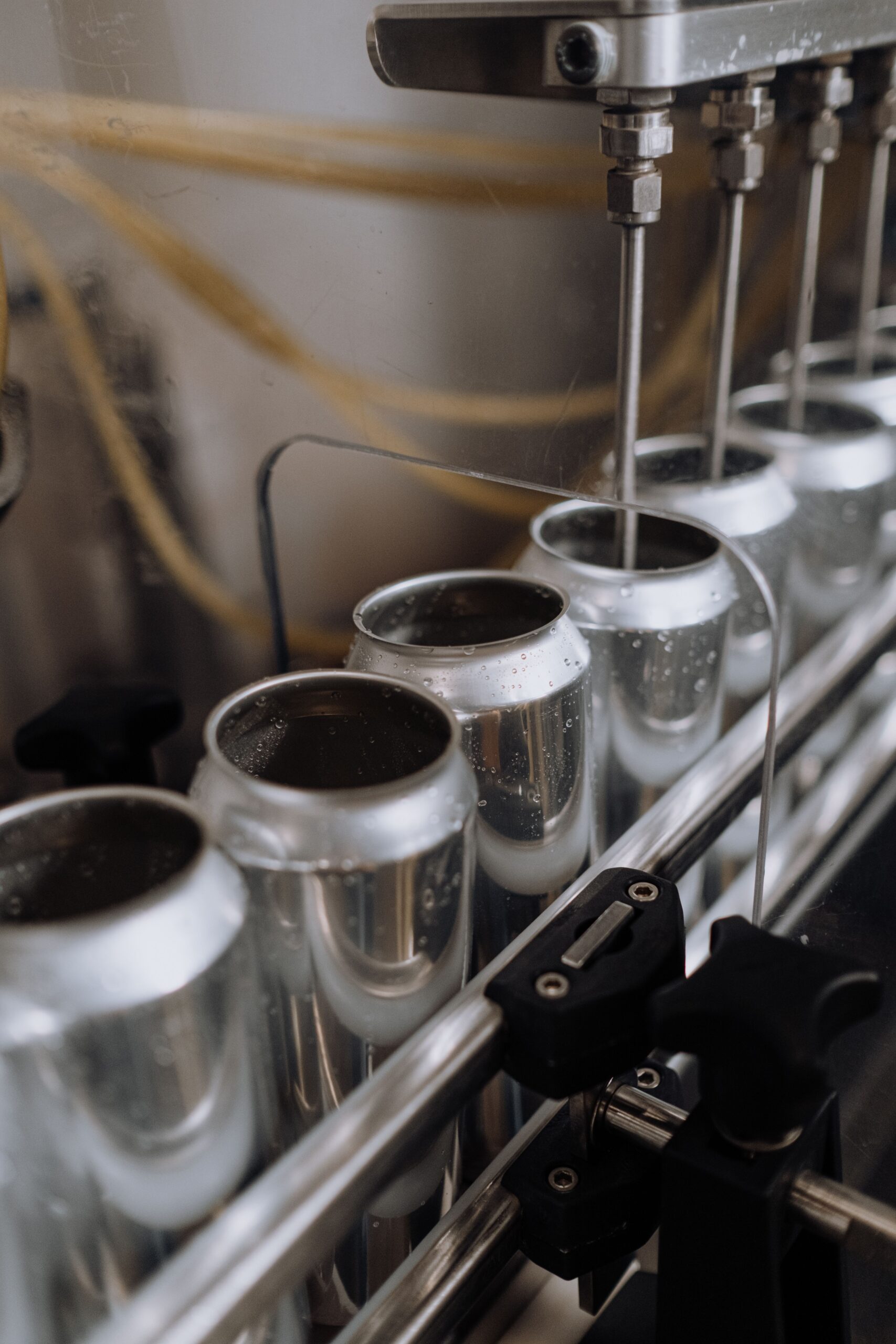


Food and Drink Energy Management Support
Whether refrigeration, cold storage or continuous processing drives your energy costs, understanding your exposure and checking your eligibility for CCA support are two practical steps towards a more predictable energy budget.
Renew & Sustain brings procurement, energy data, and ongoing account management together, helping your operations and finance teams control costs today while planning ahead.
Food and Drink Energy FAQs
Food and Drink Energy FAQs
Food and drink producers can reduce energy costs by combining effective procurement with better visibility into how and where energy is used, particularly in refrigeration and cold storage. That typically means reviewing contract timing and tariffs, checking non-commodity charges, conducting a business energy audit, and verifying eligibility for CCA support. Producers running multiple sites can also find savings by aligning procurement and comparing consumption across sites.
A Climate Change Agreement (CCA) gives eligible energy-intensive businesses a discount on the Climate Change Levy in exchange for meeting agreed energy or carbon efficiency targets. Several food and drink subsectors, including bakery, brewing, dairy, and meat processing, are recognised as eligible. The current scheme runs from January 2026 to 31 March 2033. We cover eligibility in more detail on our Climate Change Agreement page.
Food and drink production typically involves continuous refrigeration, cold storage, and processing, which increases total consumption and the share of the bill attributed to network and policy costs rather than the wholesale commodity price. Our Cost Index rates food and beverage’s non-commodity exposure as very high, the second-highest overall risk rating of any sector we track.
Yes. Our energy procurement service builds a strategy around the reality that refrigeration and cold storage loads are largely continuous, rather than assuming demand can flex the way it might in a less energy-intensive business.
We work across food and drink production generally. If your business is in a CCA-eligible subsector, it’s worth checking early, as it can materially affect your Climate Change Levy costs.