

"*" indicates required fields
Free kVa Analysis for Growing Businesses
We make conducting a kVA audit simple and efficient, ensuring your energy usage aligns with your business’s needs. Whether you’re a small firm aiming to save costs or have moved into new premises, our kVA analysis helps businesses like yours reduce hidden expenses and boost efficiency, making it an essential tool for cost-conscious and sustainability-minded organisations.
Get started today with a free quote and discover how our expert kVA audit services can uncover better value for your business.
"*" indicates required fields
Our Clients and Partners


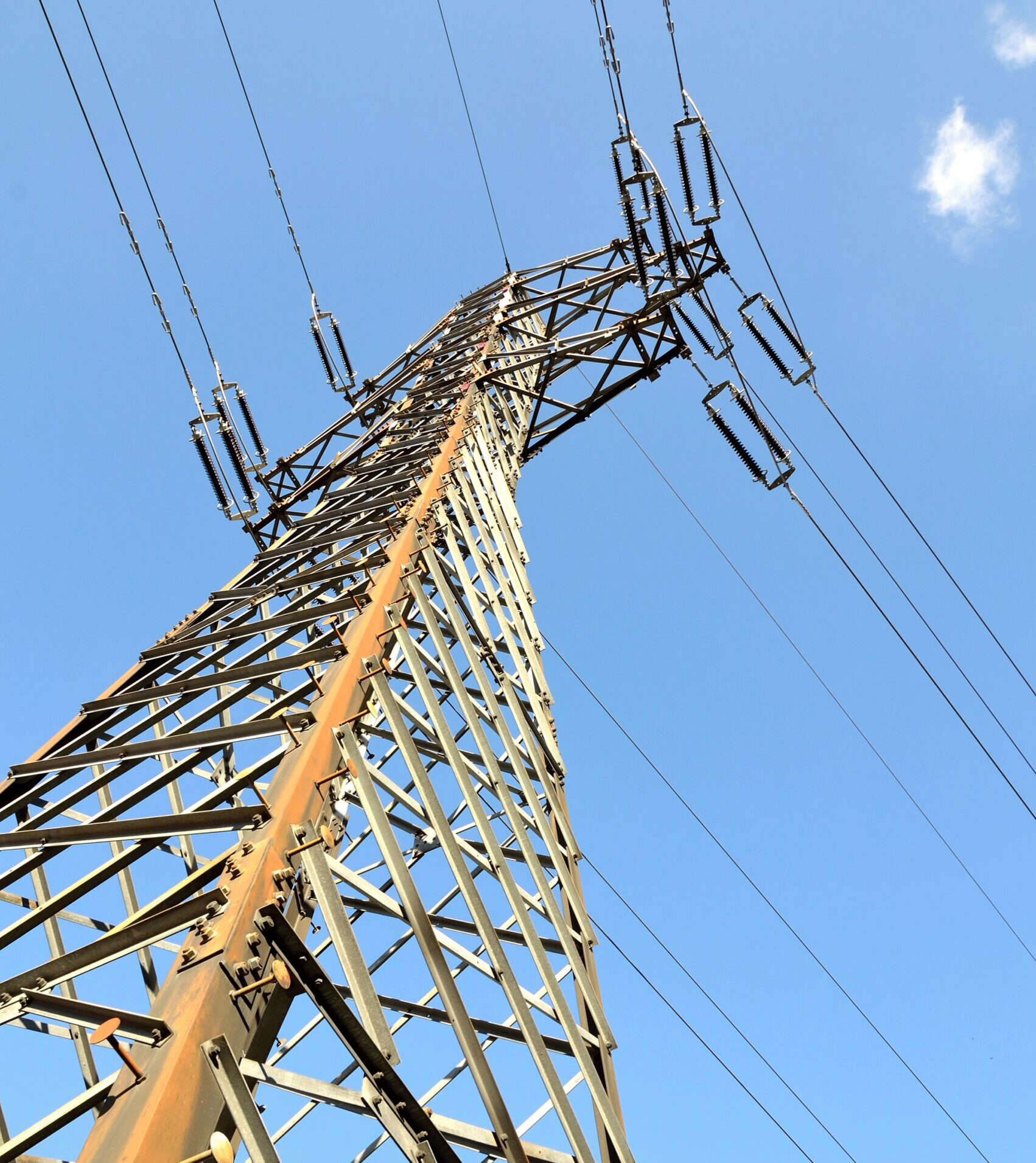



kVA stands for kilovolt-amperes and is a measure of apparent power in an electrical system. It represents the total power supplied, including the power that does actual work (kW: kilowatts) and the reactive power (kVAR) needed to maintain voltage levels.
In simple terms, your electricity provider supplies kVA, and you’re often charged based on your maximum demand — the peak amount of kVA your site draws over a given period. This is commonly referred to as a kVA demand charge on commercial electricity bills.
To reduce or avoid excessive kVA demand charges, you can:
- Monitor and manage peak loads using energy management systems
- Stagger the start-up of large equipment to prevent demand spikes
- Improve power factor by installing capacitor banks or power factor correction equipment
- Conduct load balancing across phases to reduce demand inefficiencies
- Schedule operations during off-peak periods when possible.
By keeping your kVA demand within your agreed limits, you can avoid costly surcharges and optimise your energy contract.
- kW (kilowatts) measures real power — the power used to perform work (e.g., lighting, heating, running motors).
- kVA (kilovolt-amperes) measures apparent power, which is a combination of real power and reactive power (needed to maintain voltage in the system).
The ratio between kW and kVA is called the power factor (kW ÷ kVA). A higher power factor indicates more efficient energy use. Businesses with poor power factors tend to have higher kVA demand and may face additional charges.
A detailed kVA review can help align your procurement with your actual usage profile, reducing both contracted and actual costs. kVA analysis plays a key role in smart energy procurement by:
- Identifying excess demand that inflates your energy bills
- Highlighting inefficiencies in load profiles and power factor
- Helping negotiate better supply contracts by setting realistic maximum demand thresholds
- Supporting load-shifting strategies to avoid peak time penalties
- Ensuring right-size supply agreements (avoiding over- or under-capacity).
