

On February 24, 2022, a significant geopolitical event unfolded as Russia began its invasion of Ukraine. This conflict raised fears of escalated global tensions and cast a shadow on the economic landscape, particularly affecting energy costs and energy supply chains worldwide.
As nations grappled with the implications of this war, one of the most immediate and palpable impacts was the surge in energy prices.
From Europe grappling with soaring energy bills to global shifts in energy supply chains, let’s look at the effects of this conflict on the cost of energy and how it underscores the urgent need for a transition to more sustainable and cost-effective energy solutions.
Immediate impact on global energy prices
The onset of the Russo-Ukrainian War marked a sudden and dramatic shift in the global energy landscape. Almost immediately, energy costs surged worldwide, directly impacting the energy cost for nations far and wide.
This period saw a substantial 20% increase in energy prices, a testament to the conflict’s profound impact on global energy markets.
This escalation in energy costs has been particularly pronounced in the UK and Europe, where dependence on energy imports magnified the crisis. The ripple effects of these rising energy costs have been felt across households and businesses, straining budgets and emphasising the fragility of global energy reliance.
Related Reading: A complete guide to energy audits for businesses.
European energy market disruption
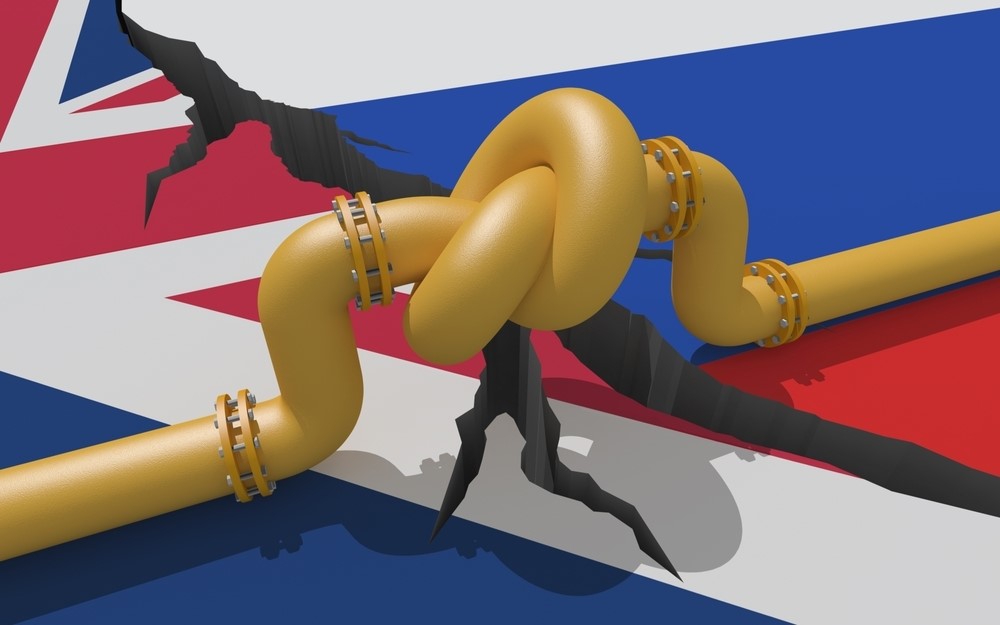
The Russian invasion of Ukraine severely impacted the European energy market, notably escalating business energy costs and household energy bills. Before the conflict, Russia was a primary supplier of natural gas and crude oil to Europe, accounting for substantial portions of the continent’s energy imports.
The war, coupled with Russia’s strategic manipulation of its gas exports, led to a steep increase in natural gas prices, profoundly affecting energy costs in Europe. This situation forced Europe to urgently seek alternative energy sources, particularly liquefied natural gas (LNG), to mitigate the disruption.
The ensuing shifts reshaped Europe’s energy landscape and had global implications, altering the dynamics of natural gas flow and pricing. The European response, characterised by a rapid pivot to other energy suppliers and investments in LNG infrastructure, reflects a significant transformation in the region’s energy strategy and highlights the critical need for energy diversification.
Household and business energy costs
The escalation of the Russo-Ukrainian War has significantly impacted household and business energy costs. The increased energy prices haven’t only affected the cost of living but also heightened the vulnerability of many households to energy poverty, particularly during colder seasons.
This issue is more acute in Europe, where the reliance on imported fossil fuels has been a major contributing factor. Businesses, too, have faced the brunt of these rising costs, with energy bills forming a substantial part of their operational expenses.
The repercussions of the Russo-Ukrainian War on energy costs have extended deep into the fabric of household and business finances. With energy prices soaring, the average household faces significant challenges in managing energy bills, a situation that has pushed many towards the brink of energy poverty.
For businesses, the increased energy costs have become a crucial factor in operational budgets, affecting their bottom line and decision-making processes. This trend has underscored the criticality of energy efficiency and sustainability measures, not just as environmental imperatives but as economic necessities.
The war has, in a way, acted as a catalyst, accelerating the conversation and action towards more sustainable and economically viable energy solutions.
Related Reading: Energy support for businesses: A look at your options
The shift towards liquefied natural gas (LNG)
In response to the Russo-Ukrainian War, Europe has seen a significant shift in its energy market, particularly in its adoption of liquefied natural gas (LNG) as a key energy source. This shift is a direct consequence of the need to reduce reliance on Russian natural gas.
Europe’s increased demand for LNG, which surged by almost 60% in 2022, has altered global LNG flow dynamics, with countries like the United States emerging as major suppliers to Europe. This transition, however, has led to a decrease in LNG availability for other regions, notably Latin America and Asia.
Europe’s pivot towards LNG signifies a critical restructuring of its energy supply chain, emphasising the growing importance of LNG in maintaining energy security and managing energy costs in Europe amidst the ongoing crisis.
The significant increase in Europe’s LNG imports underscores the scale of this energy shift. This dramatic increase has led to a reallocation of global LNG resources. The European market’s newfound demand for LNG signifies a strategic move to ensure energy security and reflects the broader implications of the Russo-Ukrainian War on global energy markets.
Policy responses and fiscal measures
In reaction to the escalating energy costs due to the Russo-Ukrainian War, European nations have implemented a range of policy responses and fiscal measures. These initiatives aim to alleviate the impact of soaring energy prices on both businesses and households.
European countries collectively allocated over €650 billion between September 2021 and January 2023 to address the energy crisis. Germany, Italy, and France were among the largest contributors. These measures included energy tax abatements, energy price ceilings, and fiscal transfers to support the most vulnerable populations. The scale of this financial commitment reflects the severity of the crisis and the urgent need for effective solutions to manage the rising cost of energy in Europe.
The substantial financial intervention by European governments also highlights the challenges in maintaining a balance between immediate fiscal relief and long-term energy policy goals. The adopted measures, while crucial for short-term relief, have raised concerns about the sustainability of such heavy financial commitments.
Ultimately, the varied application of national measures has sparked discussions about the need for a more coordinated EU-wide energy policy, particularly to prevent competitive imbalances within the EU and to ensure a unified approach to energy security and sustainability.
The situation underscores the complexity of addressing energy cost crises while simultaneously pursuing broader goals of energy diversification and the transition to renewable energy sources.
Long-term implications for energy security

The energy crisis induced by the Russo-Ukrainian War has brought energy security to the forefront of policy and academic discussions. This crisis, particularly in the UK and Europe, has led to substantial increases in natural gas and electricity prices, revealing the vulnerabilities of over-reliance on single energy sources. Europe’s transition towards a more diversified energy mix, especially its integration with the global LNG market, marks a significant shift.
The future outlook for the natural gas market remains uncertain, with potential price volatility due to various factors, including geopolitical developments and environmental conditions. This situation is evidence of the importance of accelerating the clean-energy transition to ensure affordable energy supplies and align with decarbonisation goals. The crisis underscores the need for a long-term strategy to address potential vulnerabilities in the energy sector, including reliance on critical minerals necessary for the transition.
Legislative responses and future outlook
In response to the energy crisis triggered by the Russo-Ukrainian War, European legislators have taken decisive steps to enhance energy security and affordability. They’ve recognised the need for a coordinated approach to address the challenges posed by energy costs, supply disruptions, and dependence on fossil fuels.
The extension of these regulations reflects the EU’s commitment to addressing energy cost challenges and ensuring energy security. These measures, investments in renewable energy and diversification of energy sources, are crucial steps in reducing Europe’s vulnerability to energy crises.
Looking ahead, Europe’s energy landscape is poised for further transformation. The legislation to allow member states to ban Russian gas imports via pipelines and LNG signifies a determined effort to reduce dependence on Russia. As the UK and Europe continue to diversify their energy sources, there will be opportunities for increased energy security and cost management.
However, challenges remain, particularly for landlocked member states heavily reliant on Russian gas. The development of LNG infrastructure and the availability of non-Russian LNG supplies looks to play a pivotal role in Europe’s energy transition.
The Russo-Ukrainian War has reshaped the energy market in Europe and beyond, emphasising the importance of a balanced approach that ensures energy security and sustainability. The lessons learned from this crisis will guide Europe’s energy policies as it strives to meet its energy needs while reducing vulnerabilities to external disruptions.
Navigating the new energy landscape
In the wake of the Russo-Ukrainian War, the world has witnessed seismic shifts in energy costs, fundamentally altering the dynamics of the global energy market. This crisis has propelled energy costs to unprecedented levels and exposed the vulnerabilities associated with dependence on single energy sources.
The surge in energy prices has raised many concerns about the cost of energy for businesses and households, with the slow progress in the energy transition exacerbating the severity of the cost-of-living crisis. Vulnerability to energy poverty, particularly during colder weather, has underscored the urgent need for strategic solutions.
Looking ahead, Europe stands at a critical juncture in its energy journey. The legislative responses, such as the extension of emergency regulations, reflect a commitment to long-term energy security and affordability. Investments in renewable energy and the diversification of energy sources are clearly the key elements of this strategy.
As we navigate this new energy landscape, it’s essential for businesses to make informed decisions that save energy and reduce costs. Renew & Sustain, your energy management experts, are here to guide you through this transformative period. Our comprehensive energy assessment can identify opportunities for renewable energy adoption, helping you take control of your energy costs.
If you’re ready to make strategic energy decisions that save your business money, don’t hesitate to reach out to Renew & Sustain. Request a free, no-obligation quote and let our business energy experts pave the way for a more sustainable and cost-effective energy future. Together, we can navigate the challenges and opportunities of this dynamic energy landscape.
